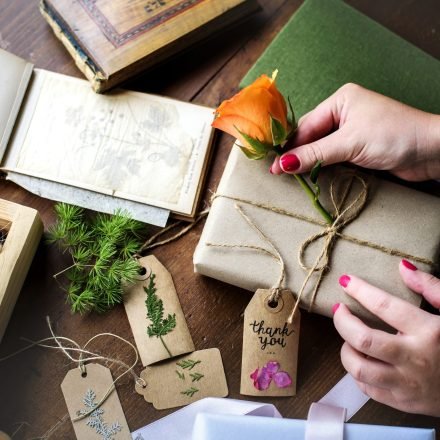
Every year, thousands of foreign delegates arrive in India with packed schedules and, at the end of it all, a small moment of vulnerability: the moment someone hands them a gift. That gift tells them everything they need to know about whether their host truly understood them — or was simply checking a box. Most gifting goes wrong not from bad intention but from lazy defaults. The miniature Eiffel Tower problem — giving something so generic it says “I could have been anywhere” — is rampant in Indian diplomatic and corporate circles. We give what’s familiar to us, not what’s meaningful to them.
This guide draws on conversations with protocol officers, cultural liaisons, and delegates themselves to answer one question honestly: what do foreign visitors to India actually appreciate as gifts?
The Real Problems Foreign Delegates Face — And What They’re Quietly Hoping For
Before choosing a gift, it helps to understand the frustrations and desires that foreign delegates carry with them on every visit. Here’s what they rarely say out loud — but always feel.
Problem 1: They receive dozens of identical gifts per trip
A visiting European trade minister may attend summits in 12 countries in a year. If every host gives a marble Taj Mahal paperweight and a pashmina shawl, nothing stands out. The default Indian gift set has become a cliché — and delegates know it immediately.
Problem 2: Luggage and customs restrictions are very real
Delegates travelling internationally cannot easily carry fragile, heavy, or oversized items. Many countries restrict the import of organic matter, food products, and liquids. A gift that creates a headache at customs doesn’t just get discarded — it generates quiet resentment toward the giver.
Problem 3: Religiosity and dietary assumptions backfire
India is deeply spiritual, but not every delegate shares those reference points. Religious motifs — Ganesha idols, Om symbols — given without explanation can feel presumptuous. Similarly, gifting food without checking dietary restrictions (halal, kosher, vegan) is a minefield many hosts walk into without realising.
Desire 1: Something that tells a story worth repeating
The best gift a delegate can receive is a conversation piece. Something their guests at home will notice and ask about. Something that makes them feel they carry a piece of a living culture — not a museum gift shop.
Desire 2: Quality that signals genuine respect
Foreign delegates are acutely conscious of perceived effort. A cheap imitation of something fine — polyester “silk,” machine-printed “block prints” — signals corner-cutting. Authentic craft, even if modest in price, signals that you thought about them specifically.
“The gift that a Japanese trade delegate mentioned most warmly wasn’t the crystal paperweight with an engraved logo. It was a small block-printed cotton pouch, handmade in Bagru, Rajasthan — because nobody else had given her anything like it.”
What Actually Lands Well — The Insider Indian Gift List
Here are the categories that protocol officers and experienced gift-givers consistently report as winners, along with why they work and how to execute them correctly.
- Handwoven Textiles With Provenance
A Chanderi silk stole, a Kanjivaram silk table runner, or a handloom cotton throw — especially if accompanied by a small card explaining the weaving tradition and the artisan’s region. Flat, packable, universally usable across cultures. Best for: All nationalities. Universally safe.
- Dhokra or Bidri Metalwork
Lost-wax cast brass figures from Bastar (Chhattisgarh) or silver-inlaid metalwork from Bidar (Karnataka). Small, sturdy, extraordinarily distinctive — they look like nothing else in the world and travel beautifully. Best for: Design-conscious Europeans, East Asian delegates, anyone interested in craft heritage.
- Single-Estate Teas and Artisanal Spices
A curated tin of Darjeeling first-flush or a Nilgiri moonlight white tea with tasting notes. Or a small wooden box of single-origin Malabar black pepper. Consumable, legally exportable in most countries, and genuinely memorable — most delegates have never tasted Indian tea at this quality level. Best for: Almost anyone. Check customs rules for the delegate’s home country — most teas and packaged spices clear easily.
- Coffee-Table Books on Indian Art and Architecture
A beautifully produced book on Mughal miniatures, Chola bronze sculptures, or contemporary Indian design. Yes, they’re heavy — but delegates often check a separate bag specifically for books received as gifts. It’s a prestigious category. Best for: Senior officials, ambassadors, cultural and academic delegates.
- Original Miniature Paintings
A small but original Pichwai, Pattachitra, or Madhubani work — framed simply, small enough to carry in a laptop bag, signed by the artist. Art appreciation transcends cultural and religious differences. Include the artist’s name and a brief note about the tradition. Best for: High-level delegations. This is a gift that gets displayed, not stored.
- Artisanal Indian Wellness Products
Ayurvedic body oils, handmade soaps with Indian botanicals (neem, turmeric, sandalwood), or organic rose water from Kannauj. Small, luxurious, internationally giftable. This category has grown enormously in appreciation over the last decade as wellness culture has globalised. Best for: Female delegates, wellness-conscious visitors, health ministry or WHO-affiliated officials.
- GI-Tagged Craft Items
India has over 600 Geographical Indication (GI) tags on its crafts and products — from Kondapalli toys to Pochampally ikat to Pashmina wool. A GI-tagged item carries with it a certification of authenticity that resonates strongly with delegates who understand quality signals. Best for: Trade officials, EU delegates, and anyone who asks “but is it authentic?”
Gifting Mistakes That Quietly Offend
What you don’t give matters as much as what you do. These are the most common — and most damaging — missteps in Indian diplomatic and corporate gifting:
Leather goods given to Hindu-majority country delegates or to vegans and strict vegetarians
Alcohol gifted without confirming suitability — a serious faux pas with Muslim delegates and a growing number of health-conscious professionals
Religious iconography without context — Ganesha idols to a Buddhist, Christian, or secular delegate can feel presumptuous or even alienating
Heavily logo-branded merchandise — signals “we thought of the brand, not you”
Sharp objects (knives, scissors) — considered bad luck or symbolically severing in many Asian, Eastern European, and Latin American cultures
Clocks or watches for Chinese or Taiwanese delegates — in Mandarin, the phrase “giving a clock” (送鐘) is a homophone for attending someone’s funeral. Avoid completely.
Four of anything for Japanese or Korean delegates — the number four (shi/sa) is associated with death in both languages
Fragile or liquid items with no proper packaging — creates anxiety, not appreciation, for long-haul travellers
What to Give by Nationality — A Practical Framework
Different delegations have different cultural sensibilities. Here’s a working framework — not a rigid prescription, but a starting point for research:
Western European & North American Delegates
They appreciate craft authenticity, sustainability credentials, and the story behind an object. A handwoven product with the artisan’s name and village of origin will resonate far more than an anonymous luxury item. They’re also likely to research the gift later — so make sure it’s genuinely traceable. Look for: Khadi products, GI-tagged crafts, fair-trade certified items, books on Indian art.
East & Southeast Asian Delegates
Packaging matters enormously — a beautifully boxed gift signals as much as its contents. They tend to appreciate subtlety over ostentation, and quality is noticed at a very fine level. Avoid sharp objects, clocks, and anything in sets of four. Look for: Exquisitely boxed single-estate teas, lacquerware, miniature paintings with simple elegant frames, anything where the presentation is immaculate.
Middle Eastern Delegates
High-quality natural materials, attar (concentrated perfumes), and non-religious symbolic gifts work very well. The gifting culture is generous — reciprocity and quality matter. Avoid pork-derived products (some leather comes from pigs), alcohol, and anything depicting religious figures. Look for: Oud-blended Indian incense, pure silver accessories, fine Kashmiri shawls in wool, artisanal attars from Kannauj.
African Union Delegates
Colourful, expressive craft often resonates strongly — there’s a natural cultural kinship with India’s tradition of vibrant handcraft and textile artistry. Shared history of craftsmanship makes this connection feel genuine, not performed. Look for: Phulkari embroidery, colourful Banarasi silk, tribal jewellery from Rajasthan, natural dye textiles.
Latin American Delegates
Warmth, colour, and cultural richness resonate. Delegates from Brazil, Mexico, Colombia, and Argentina often have an existing appreciation for handicraft culture and respond well to items that reflect Indian artisan identity. Look for: Blue pottery from Jaipur, block-printed fabrics, natural dye scarves, handmade leather-free accessories.
5 Principles of a Truly Appreciated Indian Gift
Regardless of who you’re gifting, these five principles separate the gifts that get displayed from the ones that get forgotten:
Authentic origin — traceable to a real craft tradition, region, or named artisan. A GI tag or artisan certificate helps enormously.
Travel-safe form — flat, unbreakable, liquid-free, or professionally packed for checked luggage with appropriate customs documentation.
Culturally neutral symbolism — avoid religious iconography unless you have confirmed it’s welcome. Err on the side of cultural, not devotional.
A story attached — a provenance card, a brief note about the maker, a certificate of authenticity. This transforms a gift into an education and an experience.
Quality over quantity — one exceptional item beats a gift basket of mediocre ones. Always. Delegates remember restraint and excellence far more than volume.
Protocol tip: Every gift from India should come with a small, beautifully designed card (hand-lettered or block-printed is a lovely touch) explaining what the item is, where it comes from, and why it was chosen. This turns a gift into a cultural experience — and that is always appreciated.
The Bottom Line
India is one of the world’s most extraordinary gift-giving cultures. We have millennia of tradition in offering objects that carry meaning, beauty, and story. The tragedy is that in formal diplomatic and corporate contexts, we often reach for the same tired defaults.
The foreign delegate who leaves India with a small Pattachitra painting, a tin of hand-picked Darjeeling first-flush, and a card that explains exactly why you chose it — that delegate remembers India differently. That delegate talks about India when they get home.
The best Indian gift isn’t the most expensive one. It’s the most thoughtful one. And thoughtfulness, in any language, is always appreciated.
Did this guide help you? Share it with your protocol team, event manager, or anyone planning a delegation visit to India. And if you’ve given or received a gift that broke the mould, share your story in the comments below.